
Grower guide
How to reduce floor eggs in broiler breeder houses
Start your next barn walk where you picked up eggs this morning. Follow a hen’s path from that spot to the nearest nest. Notice where eggs turn up, what stands in the way of the nest, and which patches of floor hens choose for laying.
Where are you finding floor eggs?
Sketch the house and mark where you pick up each floor egg on the first collection round. Add the time. Repeat on later rounds. A cluster beside one nest row gives you a specific place to watch the following morning.
At the end of the day, record floor eggs and total eggs separately for each house. Compare houses at a similar flock age, and note any equipment or lighting changes alongside the counts.
Can hens get into the nests?
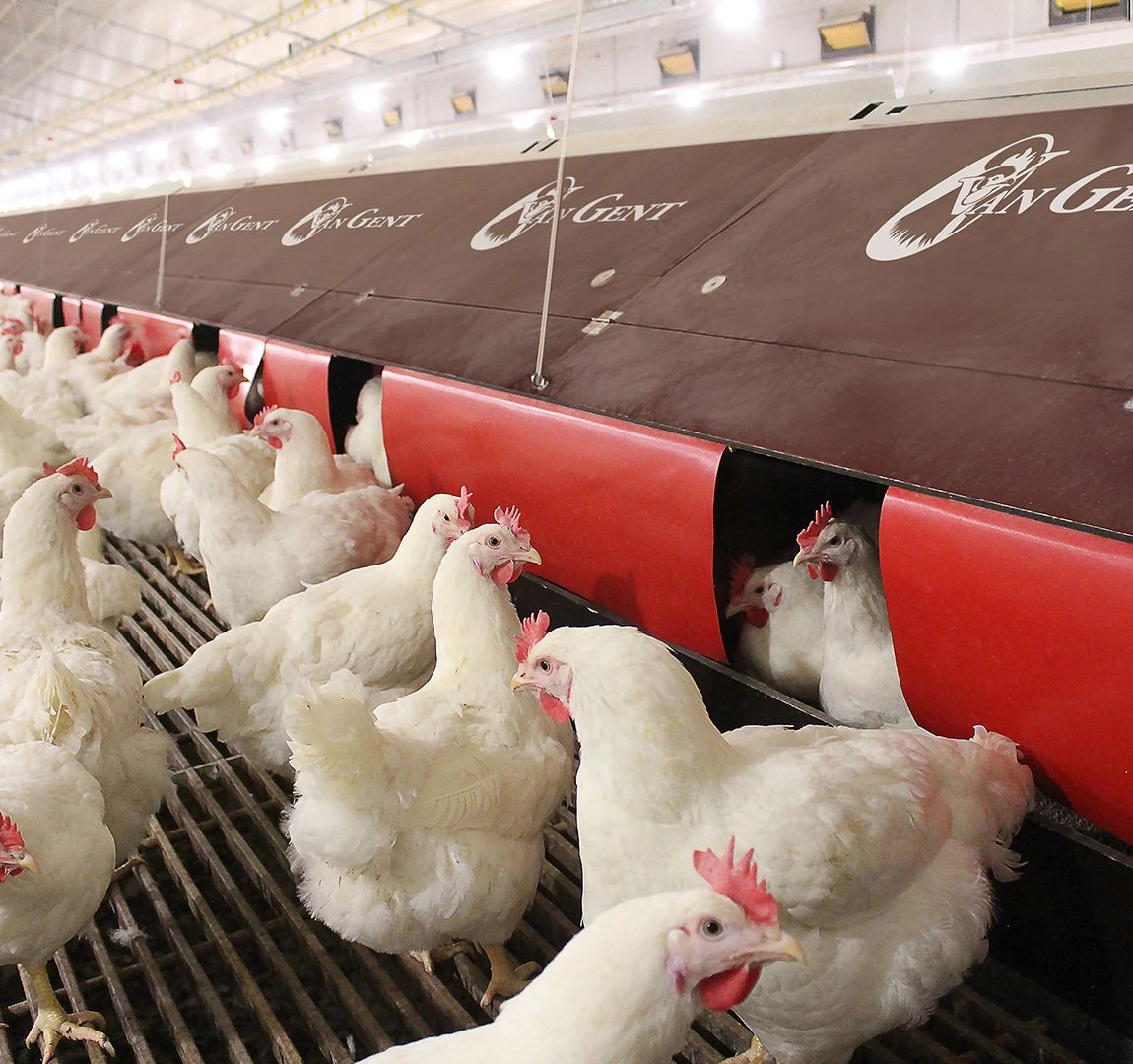
During the morning laying period, watch hens move from the litter onto the slats and up to the openings. Look for birds waiting at one entrance while nearby nests sit empty. Check for a feeder or drinker line across the approach, a damaged slat, or an entrance that stays closed when the nests should be open.
Walk to the far end of the same row. If hens enter easily there, compare the approaches side by side. A photo of each can help your service team see the difference.
Are hens choosing a dark spot on the floor?
Stand where the eggs collect and look at the light at bird level. Check corners, the area beneath equipment, and the ends of nest rows. On the next morning walk, watch whether hens return to the same shaded patch to lay.
If you find a recurring spot, note the time and which lights were on. Review it with your flock adviser before changing the lighting program. Keep counting in that location so you can see what changes.
Aviagen’s guide to preventing floor eggs (PDF)On the farm / Canada
Below 0.5% floor eggs on the Bertens farm
Paul Bertens reports that fewer than one egg in 200 is laid on the floor on his family’s 40,000-bird breeder farm. Their double-wide barn has two rows of Van Gent wooden nests and three scratch areas. In the interview, Paul explains what that means for the time his crew spends collecting eggs.
Read the Bertens farm interview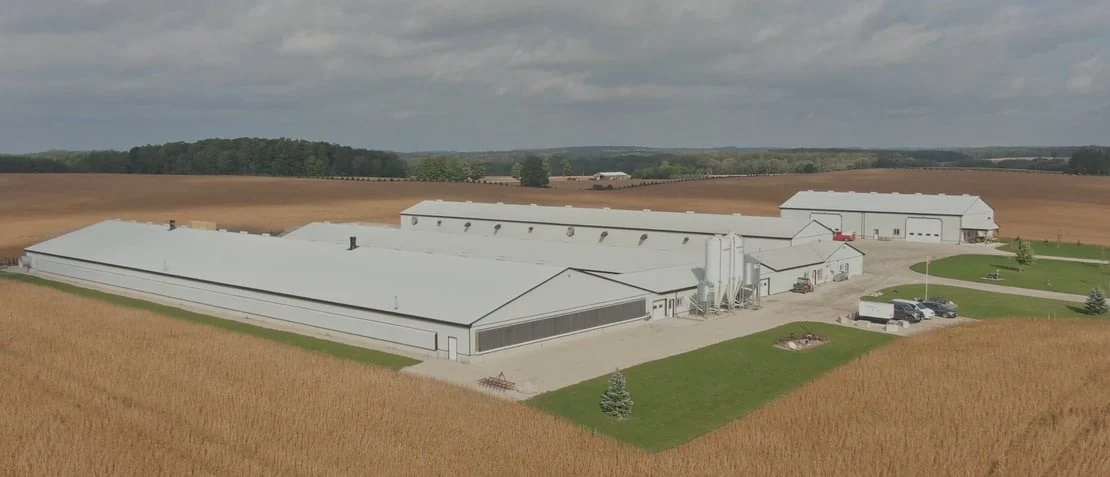
Seeing more eggs on the floor?
Tell our North American team your flock age, floor egg rate, and where you’re finding eggs. If you’ve spotted a difference between two houses, tell us what you saw.